
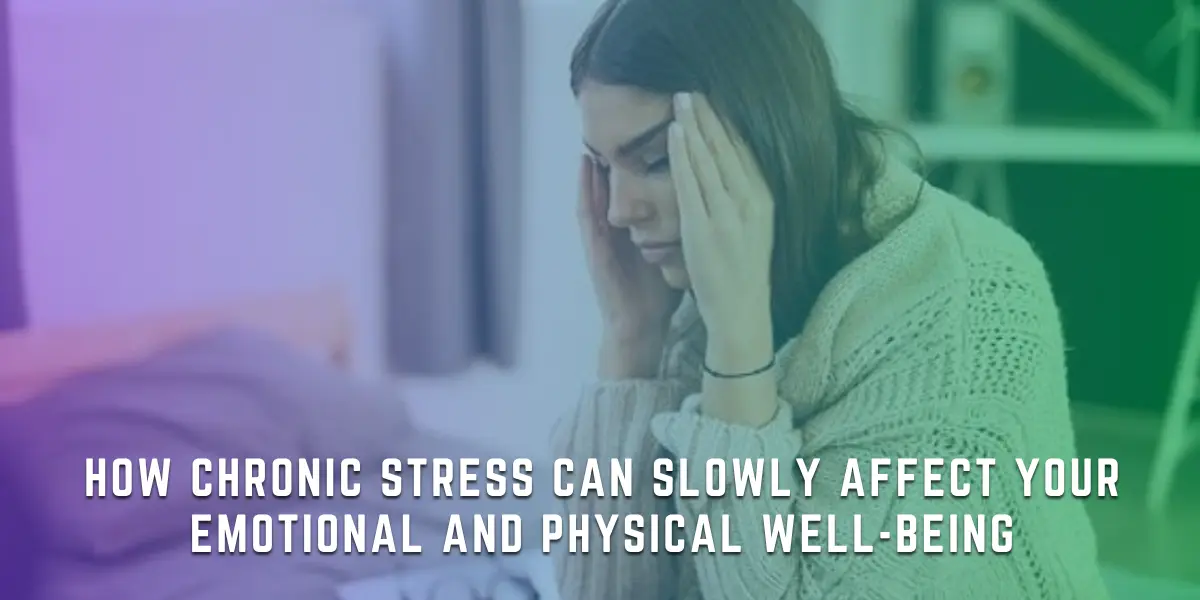
Stress is a natural response to pressure, uncertainty, and demands. It helps the body prepare for challenges by activating systems that increase alertness, sharpen attention, and mobilize energy. In the short term, this response can be useful. However, when stress becomes persistent and the body struggles to return to a relaxed state, its effects may gradually extend into emotional, physical, and behavioral health.
Chronic Stress develops when stressful conditions continue over an extended period or when a person repeatedly experiences pressure without sufficient opportunities for recovery. Unlike temporary stress, which generally subsides when a difficult situation passes, prolonged stress can keep the nervous system activated and interfere with the body’s natural balance.
The effects of Chronic Stress are not always immediately noticeable. Emotional exhaustion may develop gradually, physical discomfort may become more frequent, and everyday responsibilities may begin to feel increasingly difficult. Because these changes often emerge slowly, people may overlook the connection between ongoing pressure and their overall health.
Understanding Chronic Stress is an important step toward protecting long-term well-being. Recognizing its warning signs early can help individuals make informed decisions about self-care, lifestyle adjustments, and professional mental health support before the effects become more disruptive.
What Happens to the Body During Prolonged Stress?
The human body has a sophisticated stress-response system designed to help it respond to perceived threats. When the brain identifies a potential challenge, it activates the nervous system and stimulates the release of stress hormones, including adrenaline and cortisol.
These chemical messengers help regulate alertness, energy availability, heart rate, and other functions needed to respond to demanding situations. Once the pressure decreases, the body can gradually return to its usual resting state.
Problems may arise when this response remains active too frequently or for too long. Persistent Chronic Stress can interfere with the body’s ability to maintain normal physiological processes, particularly when recovery, sleep, and emotional regulation are consistently compromised.
Over time, prolonged activation of the stress-response system may contribute to changes in blood pressure, immune function, metabolism, and sleep patterns. The degree of impact varies from person to person and depends on several factors, including existing health conditions, environmental circumstances, available support, and individual coping resources.
It is important to understand that stress does not affect everyone in the same way. Nevertheless, persistent symptoms deserve attention, particularly when they interfere with daily functioning or continue despite efforts to rest.
How Chronic Stress Affects Emotional Well-Being
Increased Anxiety and Persistent Worry
One of the most common emotional effects of prolonged stress is an increased sense of worry. When the mind remains focused on potential difficulties, it may become harder to feel secure, concentrate on the present, or approach daily responsibilities calmly.
Chronic Stress can contribute to heightened vigilance, making ordinary demands feel more difficult to manage. A person may experience racing thoughts, restlessness, irritability, or difficulty switching off mentally, even when immediate pressure has decreased.
Over time, this pattern can reinforce feelings of uncertainty. Worry may interfere with sleep, while poor sleep can make emotional regulation more difficult the following day. This creates a cycle that can be challenging to break without deliberate changes in routine or appropriate support.
Persistent anxiety should not automatically be attributed to stress alone. Anxiety disorders and other mental health conditions can produce overlapping symptoms, making professional assessment valuable when distress becomes ongoing or difficult to control.
Emotional Exhaustion and Low Mood
Living under continuous pressure requires emotional energy. When demands repeatedly exceed a person’s available coping resources, emotional exhaustion may develop.
This can involve feeling mentally drained, losing interest in activities, struggling to experience enjoyment, or finding it increasingly difficult to remain motivated. Tasks that once felt manageable may require substantially more effort.
The relationship between Chronic Stress and emotional health is complex. Persistent stress may contribute to low mood and increase vulnerability to depressive symptoms, while depression can also make stressful circumstances harder to navigate.
Some people experience frustration or emotional numbness rather than obvious sadness. Others notice reduced motivation or a growing sense of disconnection from their usual interests.
These changes should not be dismissed as personal weakness. Emotional exhaustion is a signal that something may need attention, whether that involves reducing ongoing demands, improving access to support, or seeking a mental health evaluation.
Irritability and Difficulty Managing Emotions
Stress can reduce the mental resources available for patience, reflection, and impulse control. As a result, emotional reactions may become stronger or more difficult to regulate.
Chronic Stress may make it harder to pause before responding, tolerate uncertainty, or recover after an upsetting interaction. When the nervous system remains on high alert, even relatively minor frustrations can feel overwhelming.
This does not mean that prolonged stress inevitably changes someone’s personality. Rather, persistent pressure can temporarily or repeatedly interfere with the emotional skills people rely on to manage everyday interactions.
Recognizing these patterns can help individuals respond with greater self-awareness. Learning emotional regulation techniques and identifying sources of persistent pressure may support healthier responses and reduce unnecessary conflict.
The Physical Consequences of Chronic Stress
Sleep Disturbances and Persistent Fatigue
Sleep is essential for physical restoration, memory, concentration, and emotional balance. Yet prolonged stress can interfere with the ability to fall asleep, remain asleep, or wake feeling refreshed.
An activated stress response may leave the mind alert when the body needs rest. Even after sleeping, a person may feel tired if sleep quality has been repeatedly disrupted.
Over time, insufficient sleep can affect attention, decision-making, mood, and physical energy. Fatigue may then make everyday responsibilities feel more demanding, increasing the sense of pressure that contributed to the problem in the first place.
Addressing Chronic Stress often involves examining sleep habits alongside emotional and environmental factors. A consistent sleep schedule, a calming bedtime routine, and reduced stimulation before bed may help improve sleep for some individuals.
However, persistent fatigue can also result from medical conditions, medication effects, or sleep disorders. It is important to seek medical advice when tiredness continues, becomes severe, or has no clear explanation.
Muscle Tension, Headaches, and Physical Discomfort
The body’s stress response prepares muscles for action. When tension becomes frequent, muscles may remain contracted longer than necessary, contributing to discomfort.
Some people experience tension headaches, neck or shoulder stiffness, jaw clenching, or general muscle aches during periods of prolonged pressure. Others notice that existing pain becomes more difficult to manage.
These symptoms can influence concentration, sleep, and daily comfort. They may also create additional worry when their cause is unclear.
Although stress can contribute to physical discomfort, it should not be assumed to explain every symptom. New, severe, persistent, or unexplained pain deserves appropriate medical assessment.
Gentle movement, relaxation exercises, adequate rest, and attention to posture may help reduce some forms of muscle tension. The most effective approach depends on the underlying cause and the individual’s health needs.
Digestive Problems and Changes in Appetite
The brain and digestive system communicate continuously through complex nerve, hormonal, and immune pathways. Stress can influence this communication, affecting digestive activity and the way the body responds to food.
During prolonged stressful periods, some individuals notice changes in appetite, nausea, abdominal discomfort, constipation, or diarrhea. Existing digestive conditions may also become more difficult to manage.
Stress-related digestive symptoms are not simply imagined. Emotional and physiological processes can influence one another, creating genuine physical discomfort.
Nevertheless, digestive problems have many possible causes. Ongoing symptoms, unexplained weight changes, blood in the stool, or severe abdominal pain require medical attention rather than being attributed solely to stress.
Maintaining regular meals, drinking enough water, and eating in a calmer environment may support digestive health. When symptoms persist, a healthcare professional can help identify contributing factors and recommend appropriate treatment.
Cardiovascular Health and Immune Function
Persistent stress can influence several systems involved in maintaining physical health. Repeated activation of the stress response may increase heart rate and blood pressure, while ongoing strain can affect behaviors that support cardiovascular well-being.
Research has associated prolonged psychological stress with an increased risk of certain cardiovascular problems. However, the relationship is influenced by many factors, and stress alone does not determine whether someone will develop heart disease.
The immune system may also be affected. While short-term stress responses can influence immune activity in complex ways, prolonged stress has been associated with changes in immune regulation and inflammatory processes.
These effects are not identical for everyone. Genetics, existing medical conditions, sleep quality, nutrition, physical activity, and other environmental influences all contribute to overall health.
Managing Chronic Stress can form part of a broader preventive health strategy, but it does not replace medical screening, prescribed treatment, or appropriate care for cardiovascular and immune-related conditions.
How Chronic Stress Can Affect Everyday Life
The consequences of prolonged stress often extend beyond individual symptoms. Emotional difficulties and physical discomfort can gradually influence productivity, relationships, decision-making, and quality of life.
Concentration, Memory, and Decision-Making
Stress can affect attention and working memory, particularly when a person is preoccupied with ongoing concerns. Concentrating on a task may require more effort, and switching between responsibilities may become increasingly tiring.
Persistent stress can also make decisions feel overwhelming. When mental resources are stretched, people may struggle to organize priorities, consider alternatives, or feel confident about their choices.
These difficulties can reinforce frustration and self-criticism. Someone who notices a decline in concentration may begin to worry about their abilities, adding another layer of pressure.
Practical strategies can help reduce this burden. Breaking responsibilities into manageable steps, allowing regular breaks, and protecting time for rest may make demands easier to handle. When concentration problems persist, a professional evaluation can help identify whether stress, sleep difficulties, or another condition is contributing.
Relationships and Social Connection
Emotional well-being is closely connected to the quality of our relationships. Persistent pressure can make communication more difficult, reduce patience, and leave less emotional energy for meaningful connection.
When someone feels overwhelmed, they may withdraw from others or find it difficult to explain what they are experiencing. Loved ones may misinterpret this behavior, creating misunderstandings that increase emotional strain.
Chronic Stress can therefore influence both personal well-being and relationship satisfaction. Addressing it may involve communicating needs more clearly, setting reasonable boundaries, and making time for supportive relationships.
Social connection does not eliminate every source of stress, but feeling understood can reduce isolation and make challenges easier to manage.
Reduced Motivation and Quality of Life
When emotional exhaustion, disrupted sleep, and physical discomfort occur together, maintaining daily routines may become increasingly difficult. Personal interests may receive less attention, and activities that support well-being can gradually disappear from the schedule.
This can create a self-reinforcing pattern: reduced activity may worsen mood, while low mood makes it harder to reestablish healthy routines.
Recognizing this pattern early is useful. Rather than expecting immediate transformation, individuals can focus on achievable adjustments that restore a sense of structure and control.
Healthy Ways to Manage Chronic Stress
Managing prolonged stress usually requires more than a single relaxation technique. Effective strategies address both the body’s stress response and the circumstances that continue to generate pressure.
Establish Consistent Sleep and Recovery Habits
Regular sleep and adequate recovery help support emotional regulation and physical functioning. Going to bed and waking at consistent times can reinforce the body’s natural sleep-wake rhythm.
A relaxing evening routine may also help signal that the day is ending. Limiting late-day caffeine, reducing stimulating activities before bedtime, and keeping the sleeping environment comfortable can support better rest.
Recovery also involves allowing space for breaks throughout the day. Continuous activity without sufficient rest can make it harder to sustain concentration and emotional balance.
Incorporate Physical Activity and Relaxation
Regular physical activity can support mood, sleep, cardiovascular health, and stress regulation. The appropriate type and intensity depend on a person’s fitness level, medical history, and preferences.
Walking, stretching, swimming, and other forms of movement may help release physical tension and provide a mental break from ongoing demands.
Relaxation techniques can complement these habits. Slow breathing, progressive muscle relaxation, mindfulness, and meditation may help some individuals reduce physiological arousal and become more aware of their emotional responses.
These techniques do not need to be complicated. Consistency is often more useful than intensity, and individuals can choose approaches that feel comfortable and sustainable.
Strengthen Boundaries and Coping Skills
Not every source of stress can be removed, but it may be possible to change how demands are organized and managed.
Setting realistic expectations, prioritizing responsibilities, delegating when appropriate, and learning to say no can help protect limited time and energy. Identifying which pressures can be changed and which require adaptation may also make problem-solving more effective.
Healthy coping includes recognizing emotional limits without judging oneself for having them. Self-compassion can reduce unnecessary self-criticism and make it easier to seek support when needed.
For some people, structured problem-solving or guidance from a mental health professional can help identify patterns that maintain stress and develop more effective responses.
Maintain Supportive Relationships
Social support can provide reassurance, perspective, and practical assistance during difficult periods. Making time for trusted friends, family members, or supportive communities can help reduce feelings of isolation.
It is also important to communicate when additional help is needed. Loved ones may not recognize the extent of someone’s distress unless it is expressed clearly.
When personal support is insufficient, professional care can provide a confidential setting to explore concerns, understand emotional responses, and develop coping strategies suited to individual circumstances.
When Should You Seek Professional Help?
It can be difficult to determine when stress has become serious enough to warrant professional attention. A useful starting point is to consider the duration, intensity, and impact of the symptoms.
If Chronic Stress regularly interferes with sleep, relationships, work, concentration, or daily responsibilities, discussing the situation with a qualified healthcare professional may be beneficial. The same applies when anxiety, low mood, irritability, or physical symptoms continue despite reasonable efforts to manage them.
A mental health professional can help assess emotional difficulties, identify contributing factors, and determine whether symptoms may be associated with an anxiety disorder, depression, or another condition. Treatment recommendations depend on the person’s circumstances and may include psychotherapy, practical coping strategies, or coordination with other healthcare providers.
Cognitive behavioral therapy (CBT) is one evidence-based approach that can help individuals recognize unhelpful thought patterns and develop more effective behavioral responses. Other therapeutic approaches may be appropriate depending on the person’s needs and preferences.
Professional support is not reserved for people experiencing a crisis. Early guidance can help individuals understand what is happening and take constructive steps toward improved well-being.
For people experiencing severe or rapidly worsening physical symptoms, urgent medical assessment may be necessary. Chest pain, difficulty breathing, fainting, or other potentially serious symptoms should not automatically be attributed to stress.
Supporting Long-Term Emotional and Physical Well-Being
The effects of prolonged stress can develop gradually, but recognizing them creates an opportunity to respond with greater awareness. Emotional exhaustion, disrupted sleep, physical discomfort, and difficulty concentrating may reflect several interacting factors that deserve thoughtful attention.
Reducing Chronic Stress begins with understanding personal warning signs and identifying the changes most likely to support recovery. Consistent sleep, regular movement, supportive relationships, realistic boundaries, and effective coping strategies can all contribute to improved well-being.
Progress may take time, especially when stressful circumstances cannot be changed quickly. The goal is not to eliminate every source of pressure. Instead, it is to strengthen the resources that help the mind and body recover, adapt, and function more effectively.
Raha Behavioral Health recognizes the importance of accessible mental health support for people navigating emotional challenges. If persistent stress is affecting your daily life, seeking professional guidance can be a meaningful step toward understanding your symptoms and exploring appropriate care.
Your well-being deserves attention before exhaustion becomes your normal state. With the right support and sustainable changes, it is possible to build healthier responses to stress and protect your quality of life over time.

Frequently Asked Questions (FAQ’s)
1. What are the common signs of Chronic Stress?
Common signs include persistent worry, irritability, emotional exhaustion, difficulty concentrating, sleep disturbances, muscle tension, headaches, and changes in appetite. Symptoms vary between individuals, and persistent or unexplained physical symptoms should be evaluated by a healthcare professional.
2. How does Chronic Stress affect physical health?
Prolonged stress can influence blood pressure, sleep quality, digestive function, immune regulation, and muscle tension. Its effects depend on individual health and circumstances. Managing stress can support overall well-being but does not replace appropriate medical care.
3. Can Chronic Stress lead to anxiety or depression?
Prolonged stress may contribute to anxiety symptoms and increase vulnerability to depression. However, not everyone who experiences ongoing stress develops a mental health condition. A qualified mental health professional can assess persistent symptoms and recommend appropriate support.
4. How can I manage Chronic Stress naturally?
Healthy strategies include maintaining a regular sleep schedule, engaging in physical activity, practicing relaxation techniques, setting realistic boundaries, and staying connected with supportive people. If stress continues to interfere with daily life, professional guidance may help identify additional treatment options.
5. When should I seek professional help for Chronic Stress?
Consider professional help when stress consistently disrupts sleep, relationships, work, concentration, or daily responsibilities. A mental health professional can help identify contributing factors, develop effective coping strategies, and determine whether additional treatment is appropriate.