
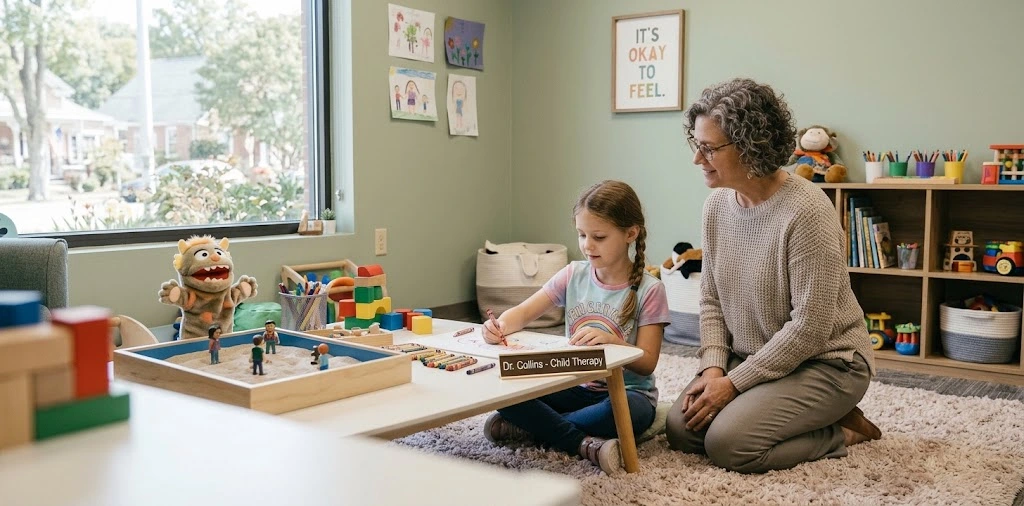
Childhood is an important stage of emotional, social, and psychological development. During these years, children learn how to understand their feelings, build relationships, manage stress, and respond to changes around them. However, not every child develops these skills at the same pace. Some may experience emotional difficulties, behavioral changes, or challenges that affect their everyday lives. Understanding What is Child Therapy can help parents recognize when additional emotional and psychological support may be beneficial.
What is Child Therapy, and why is it becoming an important part of children’s mental health care? Child therapy is a specialized form of mental health treatment designed to help young individuals understand their emotions, develop healthy coping skills, and work through psychological or behavioral challenges.
When parents ask What is Child Therapy, they are often looking for ways to support their child’s emotional well-being. It provides children with a safe and supportive environment where they can express themselves without fear of judgment.
Understanding What is Child Therapy also helps parents recognize that seeking professional support does not mean they have failed to address their child’s needs. Instead, it demonstrates a commitment to their child’s long-term emotional health and development.
What Is Child Therapy?
Child therapy is a professional mental health service that focuses on the emotional, psychological, and behavioral needs of children. It involves working with trained mental health professionals who understand childhood development and use age-appropriate therapeutic approaches to support young individuals.
Unlike adult therapy, which often relies heavily on verbal communication and self-reflection, child therapy considers how children naturally communicate and process information. Their emotional experiences may be difficult to explain through words alone. Therefore, therapists use developmentally appropriate techniques to help children identify their feelings, understand their reactions, and develop healthier responses.
The primary purpose of child therapy is not simply to address unwanted behavior. It is about understanding the emotional factors behind that behavior and helping children develop skills that support their overall development.
Professional treatment may focus on several areas, including:
Emotional regulation and managing difficult feelings.
Anxiety, excessive worrying, and persistent fears.
Depression and changes in emotional well-being.
Behavioral difficulties and impulse control.
Social interactions and relationship development.
Family conflicts and adjustment difficulties.
Coping with stressful or traumatic experiences.
Building confidence and healthy self-esteem.
A qualified therapist evaluates the child’s individual circumstances before recommending an appropriate treatment approach. This ensures that therapy addresses the child’s actual needs rather than relying on a one-size-fits-all solution.
Why Is Mental Health Support Important During Childhood?
Childhood experiences can influence how individuals understand themselves, develop relationships, and respond to challenges later in life. Emotional difficulties that remain unaddressed may interfere with learning, social development, family relationships, and everyday functioning.
Children do not always have the emotional vocabulary or communication skills needed to explain what they are experiencing. Sometimes, their feelings become visible through changes in behavior, sleep patterns, academic performance, or social interactions.
This is why early mental health support matters.
Therapy can help children understand their emotional experiences before difficulties become more disruptive. It also gives parents professional guidance on responding to their child’s needs with patience, consistency, and understanding.
Early intervention does not mean every emotional challenge requires clinical treatment. Children naturally experience frustration, sadness, and uncertainty. However, when these feelings become persistent, intense, or interfere with daily activities, a professional assessment can help determine whether additional support is appropriate.
Signs Your Child May Benefit From Therapy
Recognizing when a child needs emotional support can be difficult. Parents naturally want to protect their children, but distinguishing ordinary developmental changes from more concerning patterns is not always straightforward.
One important consideration is whether a particular behavior represents a noticeable change from the child’s usual personality or functioning.
Understanding What is Child Therapy allows parents to recognize that professional support can address more than serious psychiatric conditions. It may also help children navigate emotional difficulties that affect their everyday experiences.
Persistent Sadness or Emotional Withdrawal
Children experiencing emotional difficulties may become unusually quiet, lose interest in activities they previously enjoyed, or withdraw from family members and friends.
Persistent sadness, frequent crying, irritability, and reduced enthusiasm can sometimes indicate underlying emotional distress. Depression in children does not always look like sadness. It may also involve frustration, anger, or changes in everyday behavior.
When these emotional changes continue or begin interfering with daily functioning, professional evaluation may be helpful.
Excessive Anxiety and Worrying
Anxiety can affect children at different developmental stages. Some may experience persistent fears, excessive worrying, difficulty separating from caregivers, or physical symptoms associated with stress.
When anxiety becomes overwhelming, children may struggle with everyday responsibilities, relationships, and participation in normal activities.
Therapy can help them recognize anxious thoughts, understand emotional triggers, and develop practical coping strategies.
Sudden Behavioral Changes
Behavioral changes may sometimes reflect emotional struggles that children cannot communicate directly.
Increased irritability, frequent emotional outbursts, difficulty managing frustration, and persistent defiance may require further attention, particularly when these behaviors represent a significant change.
Rather than focusing exclusively on correcting behavior, a therapist works to understand the emotional, developmental, and environmental factors contributing to the child’s difficulties.
Problems With Social Relationships
Developing healthy relationships is an important part of childhood. However, some children experience difficulties interacting with peers, managing disagreements, expressing emotions, or developing social confidence.
Persistent social difficulties may contribute to loneliness, anxiety, and reduced self-esteem.
Therapy can help children strengthen communication skills, develop emotional awareness, and build healthier relationship patterns.
Changes in Sleep and Daily Routines
Sleep disturbances can sometimes accompany emotional or psychological difficulties.
Children may experience frequent nightmares, difficulty falling asleep, changes in sleeping patterns, or persistent bedtime anxiety. These concerns may affect concentration, mood, and overall well-being.
When sleep difficulties continue, parents should consider discussing them with an appropriate healthcare professional to identify possible underlying causes.
Different Types of Child Therapy
Child therapy is not a single treatment method. Mental health professionals select therapeutic approaches according to the child’s age, developmental needs, emotional concerns, and individual circumstances.
Understanding What is Child Therapy also involves learning about the different treatment approaches available and how they support children’s psychological development.
Cognitive Behavioral Therapy (CBT)
Cognitive Behavioral Therapy is an evidence-based approach that helps children understand the relationship between their thoughts, emotions, and behaviors.
It focuses on identifying unhelpful thinking patterns and developing healthier ways to respond to challenging situations.
CBT may be recommended for children experiencing anxiety, depression, emotional regulation difficulties, and certain behavioral concerns.
The approach is adapted to the child’s developmental level so that therapeutic concepts remain understandable and practical.
Play Therapy
Play therapy uses developmentally appropriate play-based activities to help children express emotions and explore difficult experiences.
Younger children may not have the vocabulary needed to explain complicated feelings. Play-based therapy provides another way for them to communicate and process emotional experiences.
A trained therapist observes interactions and uses therapeutic techniques to support emotional expression, problem-solving, and psychological development.
Family Therapy
Children’s emotional well-being is closely connected to their family environment. Family therapy recognizes that relationships, communication patterns, and household dynamics can influence a child’s mental health.
This approach may involve parents, caregivers, and other family members when appropriate.
The goal is to improve communication, strengthen relationships, address family-related stress, and develop healthier ways of supporting the child’s emotional needs.
Behavioral Therapy
Behavioral therapy focuses on understanding and modifying patterns that interfere with a child’s daily functioning.
It may help children develop emotional regulation, improve self-control, strengthen positive habits, and manage behavioral difficulties.
Parents and caregivers may also receive guidance on creating consistent expectations and supportive environments.
What Happens During a Child Therapy Session?
Parents sometimes feel uncertain about what to expect when their child begins therapy. Understanding the treatment process can make the experience less intimidating for both children and caregivers.
The first stage generally involves an assessment. The mental health professional gathers information about the child’s emotional well-being, developmental history, behavioral patterns, family environment, and current concerns.
Depending on the child’s age and circumstances, the therapist may speak with parents or caregivers separately before meeting with the child.
Once the assessment is complete, the therapist develops an individualized treatment plan. This plan identifies the primary concerns, therapeutic goals, and recommended treatment approaches.
During subsequent sessions, the therapist works with the child to develop emotional awareness, communication skills, and practical coping strategies.
Progress is evaluated over time. Treatment goals may be adjusted according to the child’s response and changing needs.
It is important to understand that therapy is not an overnight solution. Children need time to develop trust, understand their emotions, and practice new skills. Consistent participation and appropriate parental involvement can contribute to meaningful progress.
How Parents Can Support Their Child During Therapy
Parents play an important role in their child’s emotional development. Although professional treatment provides specialized guidance, the home environment can reinforce the skills children develop during therapy.
Understanding What is Child Therapy should also encourage parents to become active participants in supporting their child’s emotional well-being.
One of the most important things parents can do is create an environment where children feel comfortable expressing their emotions. Children should understand that experiencing difficult feelings is normal and that they can discuss those feelings without being criticized.
Parents should also avoid treating therapy as punishment. Presenting mental health treatment as a supportive resource can help children develop a more positive attitude toward seeking assistance.
Consistency is equally important. Following the therapist’s recommendations, maintaining healthy routines, and encouraging appropriate emotional expression can help reinforce therapeutic progress.
Parents should also communicate openly with the therapist while respecting the child’s privacy and developmental needs. Confidentiality expectations should be discussed at the beginning of treatment, including any safety-related circumstances in which information must be shared.
Most importantly, avoid pressuring children to demonstrate immediate improvement. Emotional development takes time, and progress may happen gradually.
At What Age Can Children Start Therapy?
There is no single age at which children should begin therapy. Mental health support can be appropriate during early childhood, middle childhood, and adolescence, depending on individual needs.
Younger children generally benefit from approaches that involve play, caregiver participation, and developmentally appropriate communication.
School-aged children may be able to participate in structured therapeutic activities that strengthen emotional awareness, problem-solving, and coping skills.
Adolescents may benefit from more direct conversations about their thoughts, relationships, identity, academic pressures, and emotional challenges.
The most important consideration is not the child’s age alone. It is whether emotional or behavioral concerns are affecting their development, relationships, or everyday functioning.
A qualified mental health professional can determine which treatment approach is appropriate.
Does Every Child Need Therapy?
Not every child requires professional therapy. Experiencing occasional frustration, sadness, nervousness, or behavioral changes is a normal part of growing up.
Children develop emotional skills through family relationships, social experiences, education, and everyday interactions. Parents and caregivers often provide much of the support children need to navigate ordinary developmental challenges.
However, when emotional difficulties become persistent, interfere with everyday responsibilities, or create significant distress, professional guidance may be beneficial.
Understanding What is Child Therapy helps parents move beyond the misconception that therapy is only necessary when a child has a serious mental health condition.
Therapy can also provide early support, strengthen emotional resilience, and help children develop healthy coping mechanisms.
A professional assessment is particularly valuable when parents are unsure whether a child’s behavior reflects a temporary developmental phase or an underlying emotional concern.
Benefits of Child Therapy for Emotional and Behavioral Development
Child therapy can support several aspects of psychological and emotional development. Its benefits depend on the child’s circumstances, treatment approach, and consistency of participation.
Improved Emotional Awareness
Children gradually learn to recognize, identify, and communicate their feelings. Developing emotional awareness helps them understand their reactions and respond more appropriately to difficult experiences.
Healthier Coping Skills
Therapy introduces practical strategies for managing stress, anxiety, frustration, and emotional discomfort.
These skills can support children as they navigate developmental changes and everyday challenges.
Better Communication
Some children struggle to explain their feelings or communicate their needs effectively.
Therapeutic support can strengthen communication skills and help children express themselves more confidently.
Stronger Self-Esteem
Emotional difficulties can sometimes affect how children view themselves.
Therapy can help them recognize their strengths, develop confidence, and build a healthier understanding of their abilities.
Improved Family Relationships
When appropriate, therapy helps families understand emotional needs and develop healthier communication patterns.
This can contribute to a more supportive home environment and improve relationships between children and caregivers.
When Should Parents Seek Professional Help?
Parents should consider professional mental health support when emotional or behavioral concerns persist, become more intense, or interfere with a child’s normal development.
It is particularly important to seek an evaluation when a child experiences prolonged sadness, severe anxiety, significant behavioral changes, social withdrawal, or difficulties maintaining everyday routines.
If a child talks about self-harm, suicide, or not wanting to live, parents should take these statements seriously and seek immediate professional assistance. If there is an immediate safety risk, contact emergency services or go to the nearest emergency department.
Early assessment can help identify the nature of the concern and determine the most appropriate level of care.
Parents do not need to wait until difficulties become severe before discussing their concerns with a qualified mental health professional.
Finding the Right Child Therapy Services at Raha Behavioral Health
Choosing appropriate mental health support is an important decision for parents. Children deserve care that recognizes their individual emotional needs, developmental stages, and personal circumstances.
At Raha Behavioral Health, professional mental health services are focused on supporting individuals through accessible, compassionate, and personalized care.
When exploring What is Child Therapy, parents should consider the importance of working with qualified professionals who understand childhood emotional development and can recommend appropriate treatment options.
Raha Behavioral Health offers mental health support through in-person appointments and telehealth services, helping individuals access care across the Houston area and throughout Texas.
Its services include psychiatric care and individualized treatment planning based on each person’s needs. Parents interested in support for their children can contact the practice to discuss available services, age requirements, and appropriate treatment options.
The right professional guidance can help families better understand emotional concerns and make informed decisions about their child’s mental health.
1. What is child therapy used for?
Child therapy is used to support children’s emotional, psychological, and behavioral development. It may address anxiety, depression, emotional regulation difficulties, behavioral concerns, family-related stress, and challenges with social relationships.
2. How do I know if my child needs therapy?
Consider professional support when emotional or behavioral changes persist, become disruptive, or interfere with school, relationships, sleep, or everyday activities. A qualified mental health professional can assess whether therapy is appropriate.
3. How long does child therapy usually take?
The duration depends on the child’s needs, the nature of the concerns, treatment goals, and response to therapy. Some children benefit from short-term support, while others may require longer-term treatment and ongoing evaluation.
4. Can parents participate in child therapy?
Yes. Parental involvement may be an important part of treatment, particularly for younger children. Therapists may provide caregiver guidance, family sessions, and recommendations to help reinforce emotional skills at home.