
- Getting Help for Child Therapy That Actually Works
Child Therapy Treatment at Raha Behavioral Health
Children experience emotional, behavioral, and social challenges just like adults, but they may not always have the words to express what they’re feeling. Difficulties at home, school, or in relationships can affect a child’s confidence, development, and overall well-being.
At Raha Behavioral Health, we provide a safe, supportive environment where children can explore their emotions, develop healthy coping skills, and build resilience. Our compassionate providers use age-appropriate therapeutic approaches tailored to each child’s unique needs.
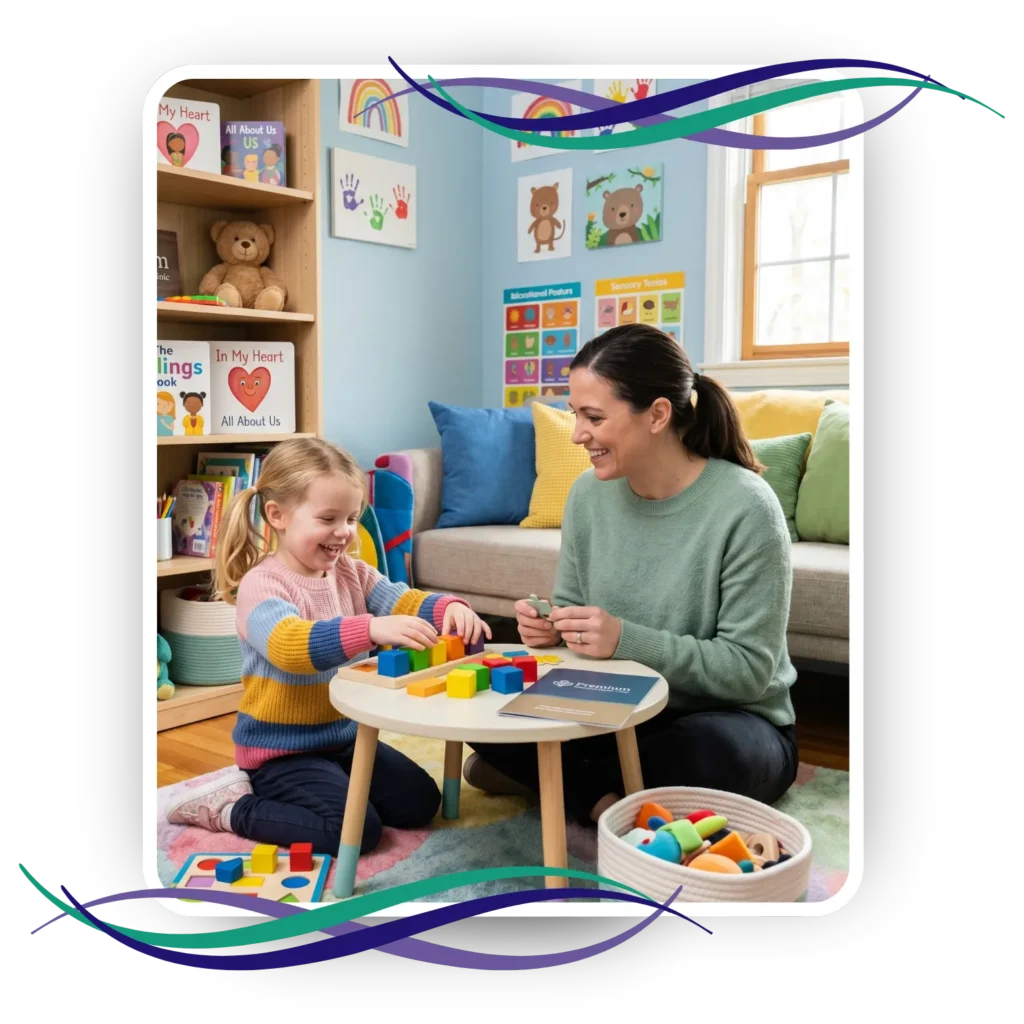
What Child Therapy Really Looks Like
Child therapy is designed to help children understand and express their thoughts, emotions, and experiences in healthy and age-appropriate ways. Through supportive interactions, evidence-based therapeutic techniques, and engaging activities such as play, art, and conversation, children can learn valuable skills for managing challenges, building emotional resilience, and improving their overall well-being. Therapy is tailored to each child’s unique needs, developmental stage, and individual strengths.
Many children benefit from therapy when facing difficulties such as anxiety, behavioral concerns, school-related stress, family changes, grief, trauma, low self-esteem, or social struggles. These challenges can affect a child’s ability to learn, build friendships, regulate emotions, and feel confident in everyday situations. Parents may also notice changes in mood, behavior, or academic performance that indicate additional support could be helpful.
Therapy provides a safe, welcoming, and supportive environment where children can openly express themselves.
Understanding the Signs a Child May Benefit from Therapy
Children may express emotional distress differently than adults. Recognizing changes in behavior, emotions, or daily functioning can help parents identify when professional support may be beneficial.
- Emotional Difficulties: Frequent sadness, anxiety, excessive worry, or mood changes.
- Behavioral Challenges: Increased irritability, defiance, aggression, or difficulty following rules.
- Social or Academic Concerns: Problems with friendships, school performance, or adapting to life changes.

What to Expect During Your Visit
Your child’s first appointment focuses on understanding their emotional, behavioral, and developmental needs. We’ll discuss concerns, family history, school experiences, and any challenges that may be affecting their well-being.
Our providers create a comfortable and welcoming environment where children can feel safe expressing themselves. Together, we’ll develop a personalized treatment approach that supports your child’s growth and success.
Convenient Care Options
We understand that families have busy schedules. Depending on your location, we may offer both in-person appointments and secure telehealth services for eligible children and families.
Whether you choose virtual or in-person care, our goal is to provide accessible, compassionate support that helps your child receive the care they need in a way that works for your family.
Freqeuestly Asked Questions
Children may benefit from therapy if they experience ongoing emotional, behavioral, social, or academic challenges that interfere with daily life or development.
Child therapy can help with anxiety, behavioral concerns, emotional regulation, grief, family transitions, school-related stress, social difficulties, and self-esteem challenges.
The first appointment typically includes discussions with parents and the child to better understand concerns, goals, developmental history, and areas where support may be needed.
Yes. Parent involvement is often an important part of treatment, helping reinforce progress and support positive changes outside of therapy sessions.
Consider seeking support if noticeable emotional or behavioral changes persist or begin affecting your child’s school performance, relationships, family life, sleep, or everyday activities. RAHA Behavioral Health can help assess your child’s concerns and determine an appropriate course of care.