
- Getting Help for ADHD That Actually Works
Coping Skills Development at Raha Behavioral Health
Life’s challenges can sometimes feel overwhelming, especially when stress, anxiety, relationship difficulties, or unexpected events become difficult to manage. Without effective coping skills, emotional struggles can impact daily functioning, decision-making, and overall well-being.
At Raha Behavioral Health, we help individuals develop practical coping strategies that support emotional resilience and healthy problem-solving. Our therapists work closely with clients to identify current challenges and build skills that can be applied in everyday life.
Whether you’re navigating stress, life transitions, anxiety, or emotional difficulties, we’re here to help you strengthen your ability to cope with confidence and balance.
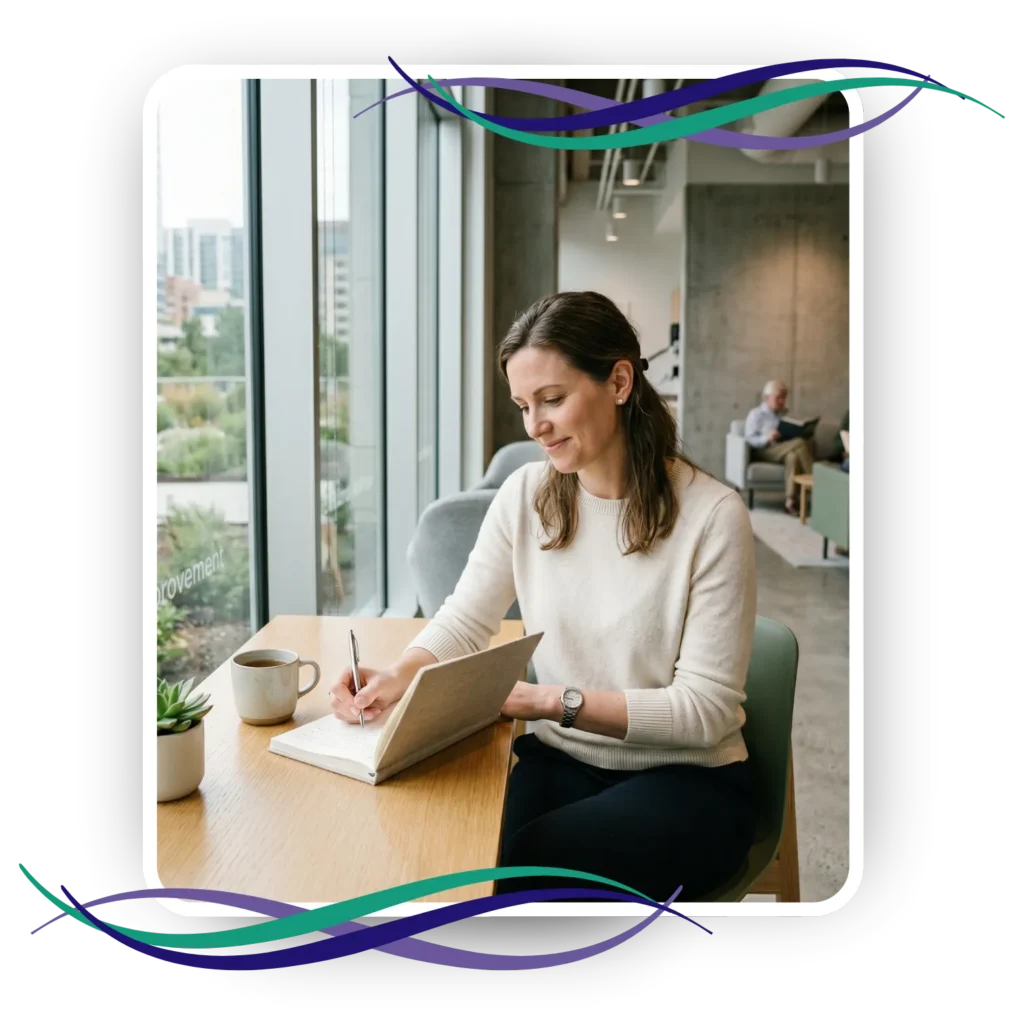
What Coping Skills Development Really Looks Like
Coping skills are the tools and strategies people use to manage stress, regulate emotions, and navigate life’s everyday challenges in healthy and productive ways. While everyone experiences difficult situations, not everyone has effective coping mechanisms in place. Some individuals may respond to stress by avoiding problems, withdrawing from others, or relying on unhealthy habits that can negatively impact their emotional and physical well-being.
Developing effective coping skills involves learning practical techniques to respond to challenges with greater confidence and resilience. These skills can help individuals regulate emotions, solve problems, communicate more effectively, adapt to change, and maintain a healthier mindset. With consistent practice and the right support, healthy coping strategies can strengthen relationships, improve emotional well-being, reduce the impact of stress, and enhance overall quality of life.
Understanding the Benefits of Coping Skills Development
Healthy coping skills can make it easier to navigate life’s challenges, manage difficult emotions, and maintain a sense of control during stressful situations. By developing positive ways to respond to adversity, individuals can reduce emotional distress, improve decision-making, build resilience, and handle everyday pressures with greater confidence. Over time, these skills contribute to better mental well-being, healthier relationships, and an improved overall quality of life.
- Stress Management: Learn practical techniques for handling everyday stress and pressure.
- Emotional Resilience: Build the ability to adapt and recover from difficult experiences.
- Healthy Problem-Solving: Develop effective strategies for managing challenges and making decisions.
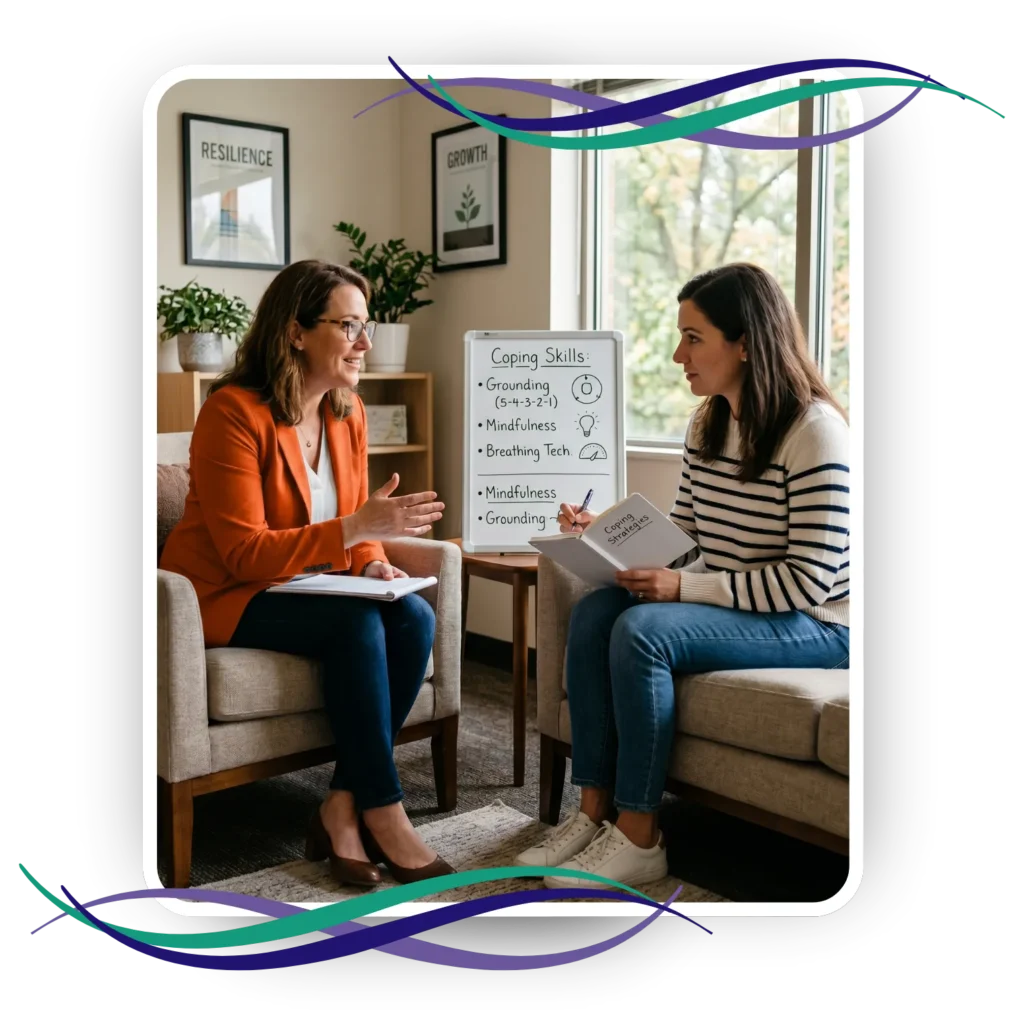
What to Expect During Your Visit
Your first appointment focuses on understanding the challenges you’re facing, current coping methods, and areas where you’d like additional support. We’ll discuss how stress, emotions, or life circumstances may be affecting your daily life.
Together, we’ll identify practical coping strategies and create a personalized plan designed to strengthen resilience, improve emotional well-being, and help you manage challenges more effectively.
Convenient Care Options
We understand that learning new skills should be accessible and convenient. Depending on your location, we may offer both in-person appointments and secure telehealth services.
Whether you prefer face-to-face counseling or virtual sessions from home, our goal is to provide flexible support that helps you build healthy coping skills and achieve lasting personal growth.
Freqeuestly Asked Questions
Coping skills are healthy strategies and techniques that help individuals manage stress, difficult emotions, challenges, and life changes more effectively.
Strong coping skills can reduce stress, improve emotional regulation, strengthen resilience, and help individuals respond to challenges in healthier ways.
Depending on your individual needs, you may work on skills such as emotional regulation, problem-solving, communication, grounding techniques, stress management, setting boundaries, and recognizing personal triggers.
You may learn stress management techniques, mindfulness practices, emotional regulation skills, communication strategies, problem-solving methods, and healthy self-care habits.
Coping skills can be useful for anyone who feels overwhelmed by stress, emotional changes, relationship difficulties, life transitions, or other challenges. Support can be tailored to your current circumstances and the areas where you would like to build greater resilience.